As of 2017, 27 U.S. cities have committed to using 100% renewable energy sources including wind and solar power. Take a glimpse at these 5 smart cities spotlighted by ClimateAction.
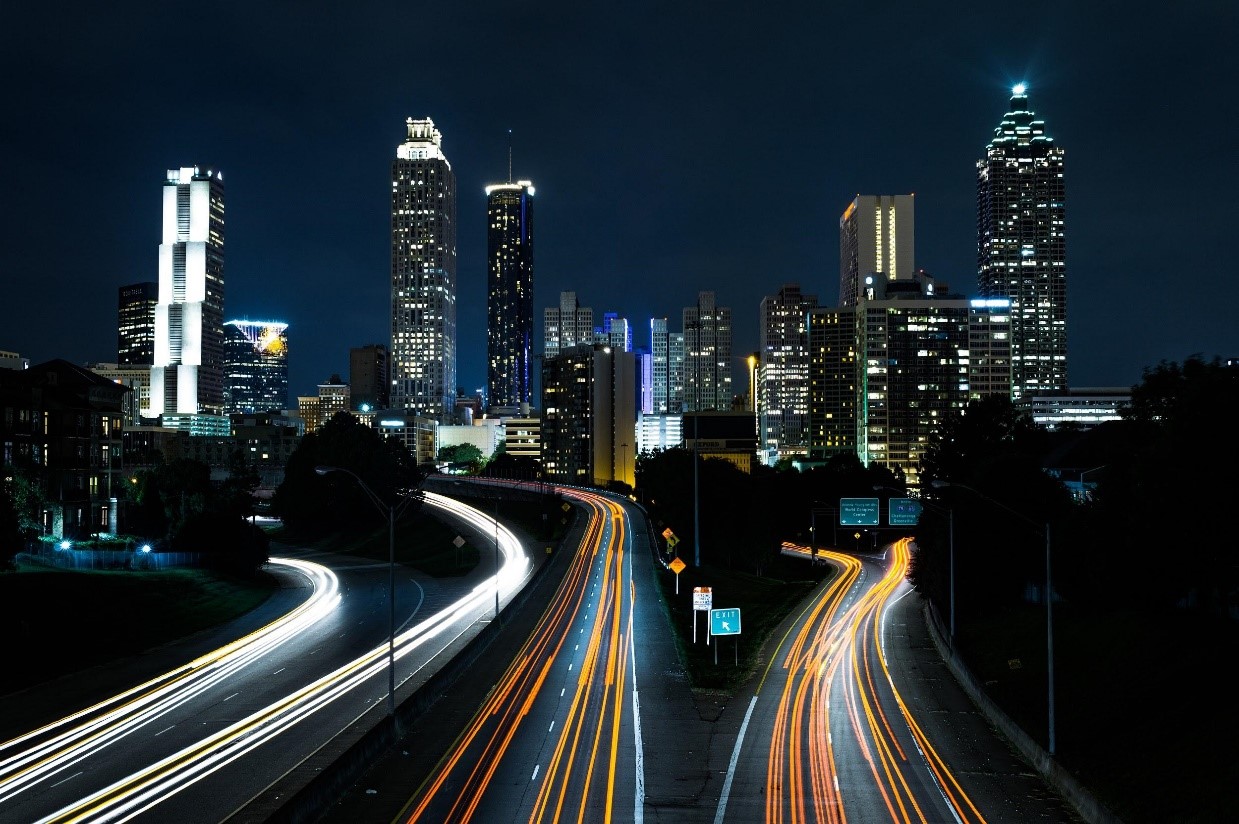
Atlanta, GA
Atlanta is the 27th city to make the commitment to 100% renewables. “We know that moving to clean energy will create good jobs, clean up our air and water and lower our residents’ utility bills . . .” said Councilman Kwanza Hall.
Madison, WI
Madison Common Council unanimously voted in favor of allocating $250,000 to develop a renewables plan by January 18, 2018 which will include target dates for reaching these goals, interim milestones, budget estimates and estimated financial impacts.
Abita Springs, LA
Abita Springs also voted unanimously to generate 100% of the community’s electricity from renewable energy sources, with the target set for December 31, 2030. Abita Springs represents the first city or town in Louisiana to commit to 100% renewable energy and the 24th city across the United States to make such a commitment.
Pueblo, Colorado
On February 13, Pueblo City Council approved a measure to source the entire community’s power demand from renewable energy, including wind and solar, by 2035. To meet its goal by 2035, the city is in part relying on its utility, Rapid City, S.D.-based Black Hills Energy, to meet its own goal of 65 percent generation from renewable energy by 2035, up from the current 26 percent.
Moab, Utah
“For Moab, one of the world’s great outdoor recreation destinations, the implications of climate change could not be more troubling. Today, we are taking bold and meaningful action to confront these threats by doubling down on 100% clean and renewable energy and shifting away from fossil fuels,” said Moab City Council Member Kalen Jones.
These cities are doing things the green and smart way. For more information about energy conservation, contact us today at www.brilliantsourceenergy.com/.