The U.S. energy landscape is shifting—and fast. Utility rates are climbing across several regions, and commercial and industrial consumers are beginning to feel the impact. Behind the rise: a complex mix of natural gas volatility, aging infrastructure, growing electrification, and a national transition toward cleaner, more resilient power sources like nuclear energy.
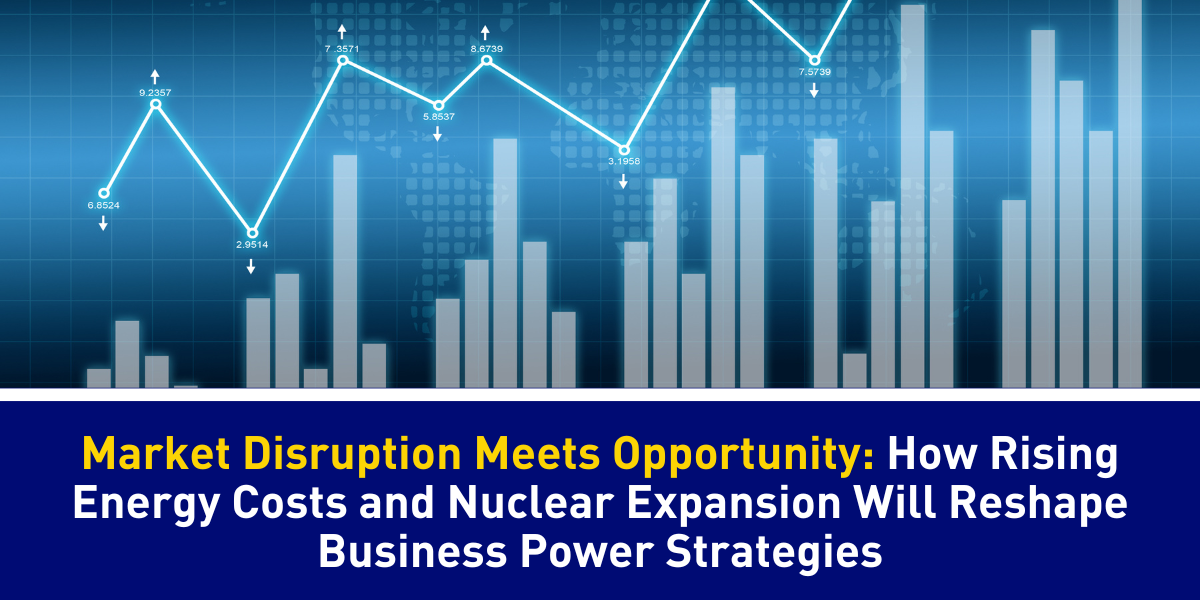
According to recent EIA data, wholesale power prices in many U.S. markets rose between 10–20% year-over-year. For high-load sectors like manufacturing, logistics, and data center operations, these costs compound rapidly—especially for those on traditional utility rate plans.
At the same time, the federal government is doubling down on nuclear. Billions in subsidies and tax credits through the Inflation Reduction Act and new Department of Energy loan programs are accelerating the restart of dormant nuclear sites and the development of next-generation reactors. Private companies like Google and Constellation are also making major moves to incorporate nuclear into their long-term energy mix.
So, what does this mean for your business?
Three Key Trends for Energy-Intensive Organizations:
- Higher Utility Bills Ahead
Volatility in gas markets, rising demand, and grid investment costs are being passed to commercial customers. Expect elevated utility rates to persist—especially during peak demand seasons. - Time-of-Use Penalties and Demand Charges Growing
Utilities are increasingly leaning on demand-based pricing models. Businesses that can’t manage their load profiles or shift usage will pay more. - Opportunity in Procurement and Clean Energy Strategy
Companies proactively managing their energy procurement—through long-term contracts, Emission-Free Energy Certificates (EFECs), or nuclear-backed PPAs—are positioning themselves for price stability and ESG wins.
What You Can Do Now:
- Review Your Current Procurement Contract: Are you locked into peak-hour pricing or exposed to market volatility?
- Evaluate Clean Energy Options: Nuclear-backed power is increasingly available through EFECs and innovative brokered contracts.
- Model Future Demand: Understanding how your energy use scales over time helps you negotiate smarter contracts.
Brilliant Source Insight:
We’re advising our clients to re-evaluate their procurement strategies now—before rate hikes escalate further. Nuclear is no longer a futuristic add-on; it’s becoming a central pillar of forward-thinking energy strategies for industrial users.
➡ Want a no-cost analysis of how upcoming rate increases could affect your facility? Schedule a consultation