
Exploring the Boundaries of Carbon Reduction with Emission-Free Energy Certificates
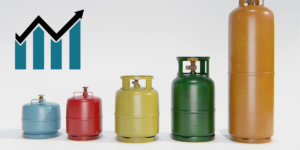
For businesses trying to reduce their overall carbon footprint, electricity is only part of the equation. Many facilities—especially in industrial, healthcare, and institutional sectors—also rely on natural gas for heating, boilers, or manufacturing processes.
EFECs (Emission-Free Energy Certificates) are typically used to offset electricity-related emissions (Scope 2), but can they also help with natural gas-related carbon emissions?
Let’s explore the role EFECs can play in building a holistic, carbon-smart energy strategy.
Natural Gas: The Hidden Carbon in Your Energy Mix
Natural gas may burn cleaner than coal or oil, but it still emits CO₂. It’s often used for:
- Process heat in manufacturing
- HVAC systems in large commercial buildings
- Backup generation for hospitals and critical infrastructure
- Cooking and hot water in institutional kitchens or labs
These emissions fall under Scope 1 because they result from fuels combusted on-site.
Where EFECs Fit: A Strategic Overlay
EFECs are not designed to directly offset Scope 1 (combustion) emissions from natural gas. They are Scope 2 tools, helping you reduce emissions from purchased electricity.
However, many companies use EFECs as part of a dual-strategy to decarbonize both electricity and gas use. Here’s how:
1. Total Carbon Budgeting
Some ESG and carbon-neutral reporting programs look at your overall emissions. If you over-offset your Scope 2 emissions using EFECs (for example, by offsetting 120% of electricity use), you may use the surplus to help balance out Scope 1 emissions in your broader sustainability narrative.
✅ Note: This depends on your reporting framework. It’s not a 1:1 substitute, but it helps demonstrate intent and trajectory.
2. Supporting Carbon-Free Electrification
Many organizations are transitioning natural gas systems—like heating or boilers—to electric alternatives. EFECs can make this switch cleaner by ensuring the new electricity load is zero-carbon from day one.
If you’re planning to electrify heating systems, EFECs provide a way to support that transition without increasing your carbon load.
3. Pairing EFECs with Carbon Offsets
You can pair EFECs (for Scope 2) with traditional carbon offsets (for Scope 1 natural gas) to build a comprehensive decarbonization portfolio.
Example:
- 10,000 MWh of electricity = 10,000 EFECs
- 500,000 therms of natural gas = 2,650 carbon offsets
Together, you present a full-scope carbon neutrality plan—reportable and investor-ready.
4. Prepping for Scope 3 Pressures
Scope 1 and 2 emissions are under your control. Scope 3 includes upstream/downstream emissions—often linked to fuel use in your supply chain.
By demonstrating leadership in your own carbon reduction (electric + gas), you’re better positioned to manage future Scope 3 expectations from customers, investors, or regulators.
Example: Dual-Path Decarbonization in Higher Ed
A Midwest university used natural gas for campus-wide heating and electricity from the grid. Their strategy:
- Purchased EFECs to cover 100% of electric use (Scope 2)
- Purchased offsets for 60% of natural gas emissions (Scope 1)
- Began planning for electrified heating by 2030
Result: A 58% emissions reduction in year one, and alignment with AASHE STARS and Climate Action Planning goals.
Key Takeaways
Strategy | EFEC Role |
Offset Scope 2 Electricity | Primary purpose of EFECs |
Electrify Natural Gas Systems | EFECs power the new electric systems cleanly |
Support Net-Zero Messaging | EFECs balance electric use while other solutions target gas |
Build Investor/Stakeholder Confidence | Shows a proactive and cost-effective carbon strategy |
Should You Use EFECs for Natural Gas?
Not directly—but strategically, absolutely yes. EFECs are a core part of a modern, multifaceted decarbonization approach that covers both electric and thermal energy sources.
Think of EFECs as your Scope 2 foundation, which you can build on with electrification, carbon offsets, and operational efficiency for gas-related emissions.
Learn More About Building a Smart, Flexible Carbon Strategy
📘 Download the free guide: “Achieve Carbon Neutrality with Ease – Explore EFECs”
📧 Contact our energy team: info@mybrilliantsource.com
📞 Call 1-866-603-1462 to discuss your gas + electricity goals