
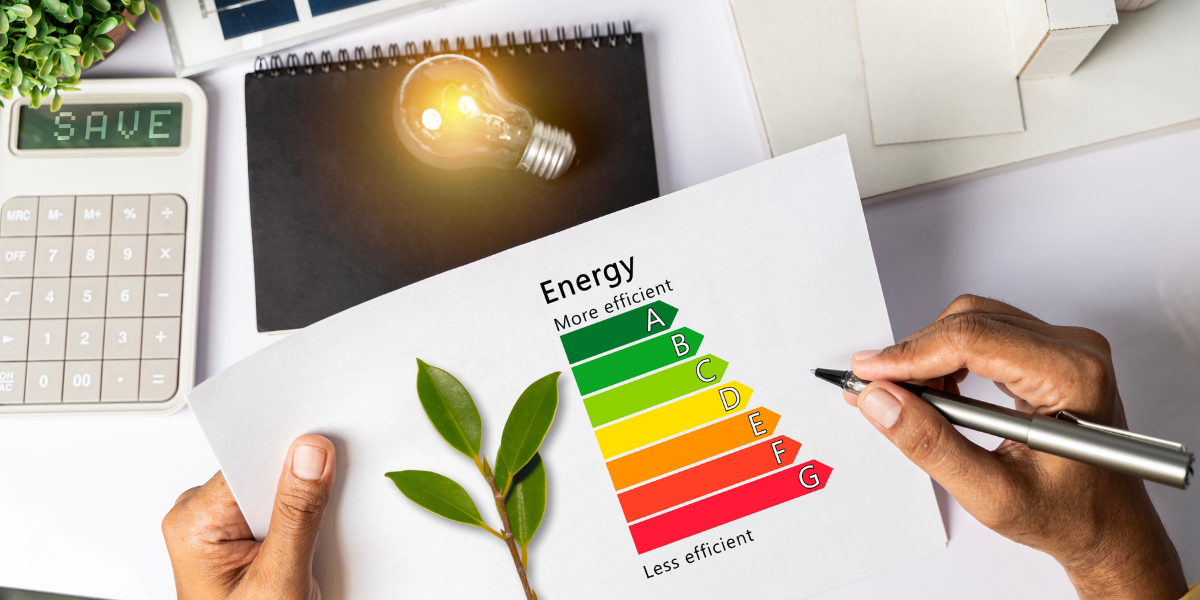
Energy conservation is more important than ever for environmental sustainability, cost reduction, and operational efficiency. Businesses of any size or industry can make significant strides toward saving energy, reducing their carbon footprint, and lowering utility bills.
Energy Savers Week in the United States will occur from January 15–21, 2025. This national initiative encourages people to save energy and lower fuel costs.
Here’s a comprehensive guide to help businesses save energy while improving their bottom line.
- Recapture and Remove Overcharges and Errors
Conducting a bill audit will correct and refund any errors and overcharges found on utility invoices. Businesses can directly increase their bottom line by removing charges and have the satisfaction of knowing that all of the invoices are 100% accurate.
Brilliant Source Energy finds that, on average, about 80% of organizations are overcharged on utility expenses due to calculation errors and discrepancies billed by utility providers. BSE works to remove errors and overcharges on utility invoices. We will have suppliers refund you for errors and create uncontested reductions in your monthly bill by removing unnecessary charges.
2. Conduct an Energy Audit
Before businesses can save energy, they must understand where and how they consume it. An energy audit is a comprehensive assessment of how energy is used within a building or facility. It helps identify areas where energy is wasted, and improvements can be made. The audit will pinpoint key energy drains, such as outdated lighting, inefficient HVAC systems, and poorly insulated buildings.
3. Recycle Wasted Power
Powerhouse is a patented electrical control system that recycles a facility’s otherwise wasted power. It stores and uses it to constantly balance and optimize voltage throughout the system, reducing demand levels and total power consumption. Installed at a primary power source, Powerhouse optimizes power quality and lowers kilowatt demand.
4. Upgrade to Energy Efficient Lighting
Lighting can account for a significant portion of a business’s energy consumption. Transitioning to energy-efficient lighting, such as LED bulbs, is one of the quickest and most effective ways to reduce energy use. LEDs use up to 80% less energy than traditional incandescent bulbs and have a longer lifespan. Implementing motion sensors and timers to ensure lights are only on when necessary, can also lead to additional savings.
5. Invest in Smart Thermostats and HVAC Systems
Heating, ventilation, and air conditioning (HVAC) systems are among the largest energy consumers in any commercial building. By upgrading to a smart thermostat or programmable HVAC system, businesses can ensure energy isn’t wasted when the office is empty or during off-peak hours. Smart thermostats learn occupancy patterns and adjust temperature accordingly, offering both comfort and energy efficiency.
Additionally, regular maintenance of HVAC systems (such as changing filters, sealing ducts, and ensuring proper insulation) helps maintain optimal performance and prevents energy waste.
6. Optimize Equipment and Appliances
Office equipment like computers, printers, and copiers can consume substantial amounts of energy. Encourage employees to turn off equipment when not in use or implement power-saving settings such as sleep mode or automatic shutoff. For larger equipment, businesses should consider energy-efficient models.
For manufacturing or industrial businesses, upgrading to energy-efficient machinery can lead to long-term savings. It’s also worth examining equipment scheduling, so machines are only running when necessary.
7. Embrace Renewable Energy Sources
Using renewable energy sources like solar or wind power can dramatically reduce a business’s energy bills while contributing to a more sustainable future. While the initial investment may be significant, government incentives, grants, tax breaks, and lower operating costs can make renewable energy a financially viable option for many businesses. Installing solar panels or entering into a power purchase agreement with renewable energy providers can provide significant savings over time.
8. Minimize Environmental Impact
Top companies are highly focused on minimizing their environmental impact. Many have set aggressive ESG and Carbon Neutrality goals. Brilliant Source Energy has many solutions to help companies meet these goals.
An Emission-Free Energy Certificate (EFEC) represents a specific amount of emission-free power a generator produces. Regardless of your energy provider, your business can be carbon-free through EFECs.
9. Improve Building Insulation
Poor insulation can cause businesses to lose significant amounts of energy through walls, roofs, and windows. Proper insulation keeps temperatures regulated inside, reducing the need for heating and cooling. Sealing cracks and gaps around windows and doors, and using energy-efficient windows can prevent drafts and help maintain a comfortable indoor environment with less energy use.
For businesses in extreme climates, investing in insulation upgrades, such as weather stripping, reflective window coatings, heat shields, or insulation for ceilings and floors, can result in major savings.
10. Encourage Employee Engagement
A culture of energy efficiency begins with employee buy-in. Make energy conservation a part of your company’s ethos by engaging employees in energy-saving initiatives. Provide training on how employees can reduce energy use in their daily activities, such as turning off lights when they leave a room or using natural light during the day. Consider setting up challenges or competitions that reward teams for reducing energy consumption.
11. Use Energy-Efficient Transportation
Businesses that require transportation should consider switching to electric or hybrid vehicles for company fleets. These vehicles consume less fuel and produce fewer emissions than traditional gasoline-powered cars and trucks. Additionally, businesses can encourage employees to carpool, use public transportation, or work from home, reducing the overall need for commuting.
12. Implement Power Management
Data centers and IT systems are essential for many businesses, but they are also major energy consumers. Implementing power management tools for computers, servers, and other electronic devices can lead to significant energy savings. Configuring systems to enter sleep or hibernation mode during periods of inactivity can prevent unnecessary energy consumption. Virtualization technologies can also optimize server performance, reducing the need for physical servers and cutting overall energy use.
Brilliant Source Energy offers Demand Response programs, which allow our clients to monetize flexible loads and reduce capacity charges for both distribution and supply-side savings.
13. Shift operations to off-peak hours
Did you know that using energy when the demand is highest can drive up costs? While it may be confusing at first because it would seem that providing energy would cost the same regardless of the time of day, energy suppliers can charge higher prices when the demand is higher. Consider shifting your hours of operation outside the traditional 9 AM to 5 PM window; even an hour or two can make a difference.
14. Consider work-from-home options
While it’s not feasible for every business to let employees work remotely, there are solutions to keep teams productive and engaged from home. Some companies have even been able to eliminate the use of office space. It is worth exploring a work-from-home model because the cost-savings to business owners can be quite significant.
15. Monitor Energy Usage and Set Targets
To stay on track with energy savings, businesses should continuously monitor their energy consumption and set specific energy reduction targets. This will help assess the effectiveness of energy-saving measures and identify areas for further improvement. Tracking energy usage can also motivate employees and stakeholders to remain committed to energy-saving initiatives.
16. Consider Energy-Efficient Construction and Renovations
For businesses constructing new buildings or renovating existing spaces, consider sustainable design practices prioritizing energy efficiency. Incorporating energy-efficient building materials, high-performance windows, and green roofs can all reduce long-term energy use. Additionally, passive building strategies such as proper building orientation, natural ventilation, and shading can help optimize energy consumption and reduce heating and cooling costs.
Conclusion
Saving energy is not just an environmental responsibility; it’s a smart business strategy. By implementing energy-saving practices, upgrading equipment, and adopting energy-efficient technologies, businesses can significantly reduce operating costs, enhance productivity, and contribute to a greener planet. Whether it’s investing in renewable energy, optimizing building systems, or educating employees, every effort counts. In today’s competitive market, businesses that adopt energy-efficient solutions will have a distinct advantage in terms of cost savings and sustainability.
Let’s discuss how Brilliant Source Energy can help you save energy and cut costs. Contact Us today!