
Brilliant Source

How severe weather effects natural gas prices

If you live on the northern east coast, you’re very familiar with the intense weather swings that occur throughout the year. Blizzards, hurricanes and tropical storms are frequent visitors.

And oftentimes during the winter months, a mix of cold air from the Arctic collides with warm air from the oceanic Gulf Stream can create what is known as a nor’easter.

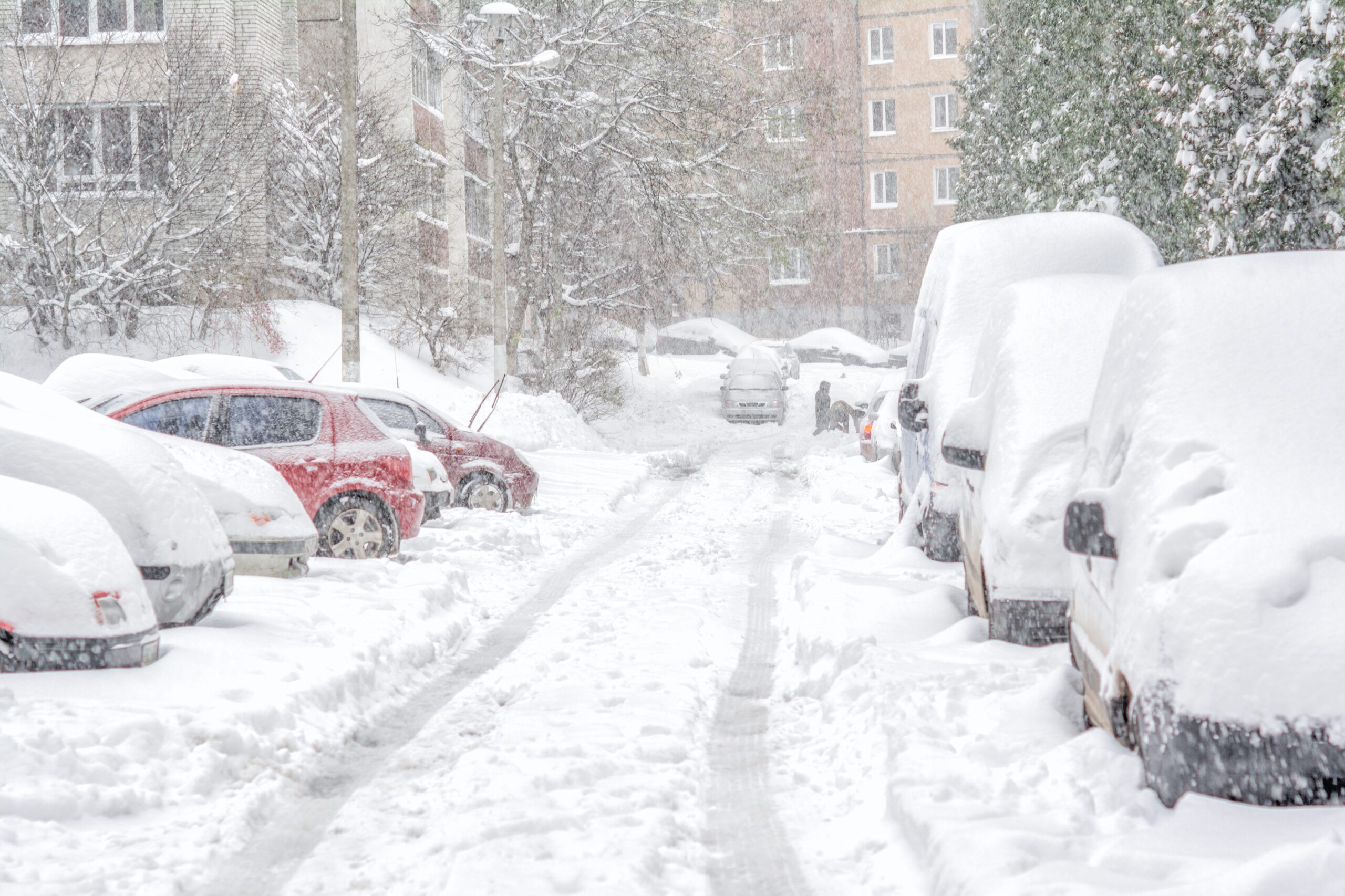
A nor’easter is an intense storm that combines frigid temperatures, coastal flooding, hurricane-force winds, blizzard conditions and tornadoes. But did you know, the nor’easter, like the one many east coast residents experienced this past weekend, can also have a huge impact on gas rates.

While various factors can affect natural gas prices, increased consumer demand is most often a result of severe weather events. Net effect on gas rates could be volatile and, coupled with cold weather, we are very likely to see higher rates as the demand rises and supply decreases.

There are a number of things you can do to prepare your home or business before extreme weather happens, but here are a few things you can do to help right now:

  • Adjust your thermostat – Keep a lower average air temperature and set your thermostat between 7-10 degrees cooler when your home of office is unoccupied. According to the U.S. Department of Energy, this can reduce your annual as bill by as much as 10%.
  • Lower your water heater temperature – According to the U.S. Department of Energy, many manufacturers set water heaters to 140 degrees but most homes only require a setting of about 120 degrees. Watch this video to see how to adjust your tank.  
  • Reduce your cooking temperature – If you have a gas range, you could help reduce your overall natural gas consumption by simply lowering the level of flame that you use while cooking.

For more information on natural gas energy savings for your home or business, contact us at info@brilliantsourceenergy.com.

"*" indicates required fields

This field is for validation purposes and should be left unchanged.

Related Post

Uncategorized

Energy Terms to Know

We know, learning and remembering all of the terms that come along with the energy industry can be tough. But no worries – we’re here

Read More »
Uncategorized

Brilliant Source Energy Gives Back with $15,000 to Second Harvest Food Bank

Brilliant Source Energy (BSE) continues its commitment to supporting local communities with a generous donation of $15,000 to the Second Harvest Food Bank in partnership with the City of Lorain. This contribution is part of a larger pledge of $75,000 over five years to combat hunger and provide resources directly to those in need within Lorain County.

Read More »
Uncategorized

Harnessing the Power of Renewable Energy for Commercial Businesses

As businesses face rising energy costs and increasing environmental regulations, renewable energy solutions provide a sustainable and cost-effective way to meet energy needs. By integrating renewable energy sources like solar, wind, and geothermal into their operations, businesses can reduce their carbon footprint, stabilize energy costs, and demonstrate corporate social responsibility.

Read More »
Uncategorized

How EFECs Fit Into the Future of Energy Procurement

The energy procurement landscape is changing—fast. What was once a back-office cost center is now a core strategic function tied to emissions, brand reputation, regulatory compliance, and investor scrutiny.
To stay competitive and compliant in this new environment, procurement leaders need tools that are flexible, scalable, and verifiable. Emission-Free Energy Certificates (EFECs) meet all three needs—and they’re shaping the future of how businesses buy energy.

Read More »

The United States’ Role in Cutting Russian Reliance

Tensions over natural gas are heating up between Russia and the European Union. Vladamir Putin is threatening to cut off European supplies unless they pay in Russia’s currency, rubles. As the date for the next payment approaches, the EU is hurrying to find other suppliers to prevent an energy crisis. Now, eyes are turning to the United States to help alleviate some of this pressure.

Read More »