
For companies committed to sustainability, achieving carbon neutrality is a top priority. However, the path to a fully carbon-neutral operation can be complex and costly, especially when it requires shifting energy sources or altering existing infrastructure. Emission-Free Energy Certificates (EFECs) offer an innovative, accessible solution that allows businesses to offset their carbon emissions without the need to change energy providers.
What Are Emission-Free Energy Certificates (EFECs)?
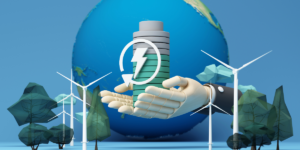
An Emission-Free Energy Certificate (EFEC) represents a specific amount of energy produced by emission-free power generators. When a business purchases EFECs, it essentially “offsets” its carbon emissions by ensuring that an equivalent amount of emission-free energy enters the grid. EFECs are a flexible and efficient way to meet carbon neutrality goals, regardless of the energy provider or current infrastructure.
How EFECs Work
EFECs are generated by emission-free power sources like nuclear plants, which consistently produce clean energy. When a company purchases EFECs:
- It directly supports the generation of emission-free energy.
- It offsets its own emissions with clean power from the grid.
- It contributes to a sustainable energy landscape by encouraging clean energy production.
In essence, EFECs bridge the gap between a company’s current energy use and its carbon-neutral goals, allowing organizations to achieve carbon neutrality in a straightforward way.
The Benefits of EFECs for Carbon-Neutral Operations
Here’s why EFECs are an ideal choice for companies striving for carbon neutrality:
- Offset Natural Gas Usage: EFECs can match the energy output of natural gas consumption, enabling carbon offsetting even for non-electric energy sources.
- Support Reliable Clean Energy: Unlike other renewable options that rely on weather conditions, EFECs support emission-free sources like nuclear energy, which provides consistent, 24/7 power.
- Cost-Effective Carbon Offsetting: EFECs are often more affordable than traditional Renewable Energy Certificates (RECs), making them accessible to companies with varying sustainability budgets.
How EFECs Align with Business Goals
In addition to environmental impact, EFECs allow businesses to make measurable progress toward Environmental, Social, and Governance (ESG) standards. As more companies commit to reducing their carbon footprint, EFECs offer a clear path forward, aligning sustainability initiatives with organizational goals.
Conclusion
For companies ready to commit to carbon neutrality, Emission-Free Energy Certificates (EFECs) provide an efficient, accessible solution. By investing in EFECs, your business can achieve its sustainability objectives, support emission-free power generation, and demonstrate leadership in environmental responsibility. Take the next step toward a cleaner future with EFECs.
Call to Action:
Interested in learning more about how EFECs can help your business reach carbon neutrality? [Explore EFEC options here](Landing Page Link) and discover how Brilliant Source Energy can help you meet your sustainability goals today!