Have you considered using solar power in your business or home? Maybe you’ve heard the term “solar energy” before, but you’re not quite sure how it could benefit your company. Here is some insight on understanding solar power.
The What
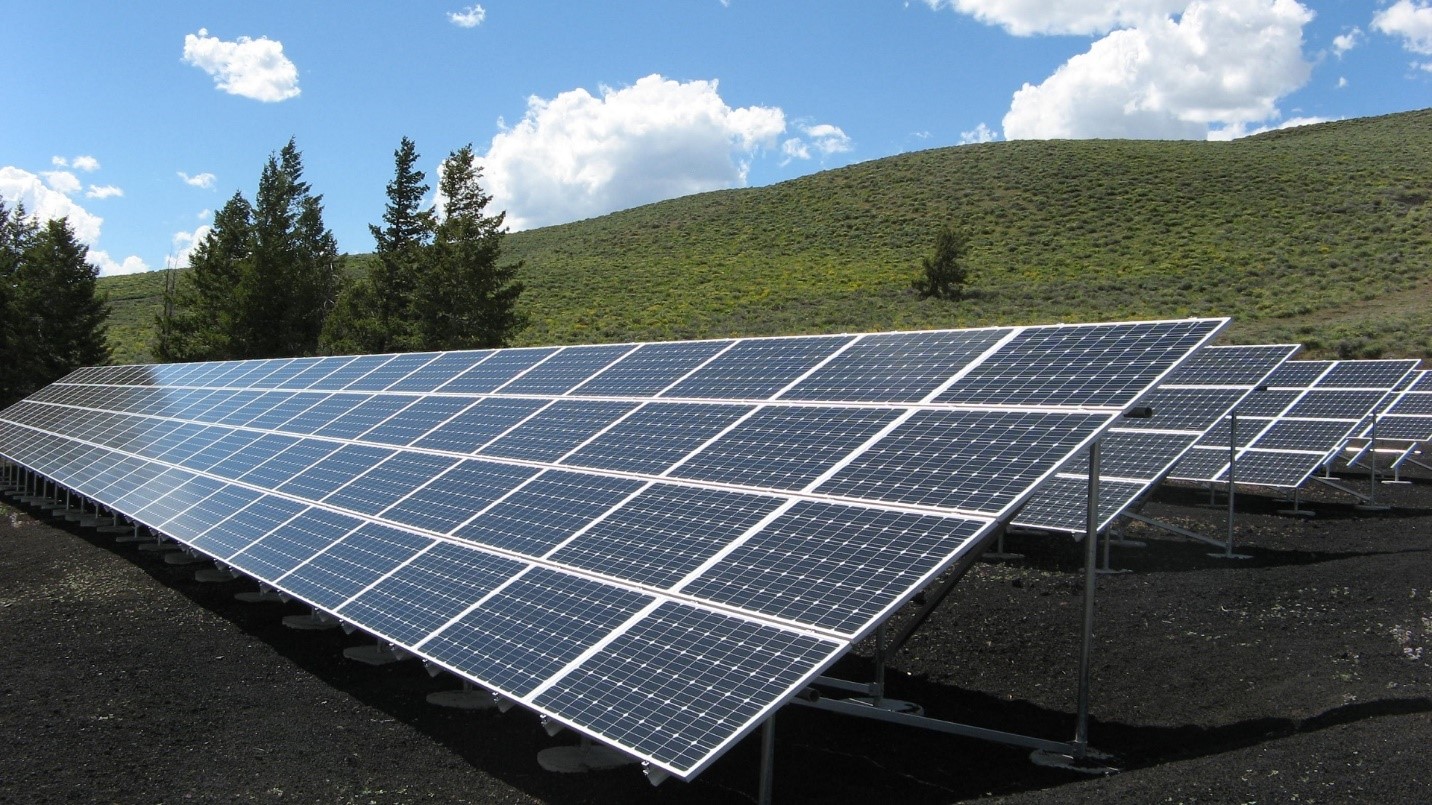
Solar power is the conversion of energy from sunlight into electricity by using photovoltaics (PV), or concentrated solar power. Businesses and homes place solar panels at specific angles on rooftops to absorb sun rays.
The Why
Solar energy is beneficial for commercial and residential use because it’s an alternative to replace fossil fuels. It’s a renewable energy source with no cost. Also, unlike fossil fuel based technologies, solar power does not lead to any harmful emissions during operation, but the production of the panels leads to some amount of pollution.
Pros & Cons
Their are many benefits to solar power. Solar power is a clean energy source. It is renewable and sustainable. Once installed, panels are low maintenance and silent. However, the initial costs are high. Higher quality solar cells can start at $1000 or more. Also, when the sun goes down, energy isn’t being delivered to your business or home. The panels are accompanied by batteries that can be charged during the day for energy during the night. Yet, the batteries take up plenty of storage space and be expensive when replacements are needed.
Solar water heating is used to heat water in glass panels located on a roof. This conserves gas and electricity to heat water in a home.
Water is pumped through pipes in the panel. To maximize the heat transfer from the sun, the pipes are painted black. This helps the central heating system and cuts the cost of energy bills. However, when the sun goes down, there may not be enough energy stored to heat the shower.
Energy is something that our businesses and homes rely on to operate daily. Always research and plan before implementing a new type of energy source at work or at home. Seek expert opinions, and weigh your options.
For more information about energy and how to choose what’s best for your business or home, contact us today www.brilliantsourceenergy.com.