
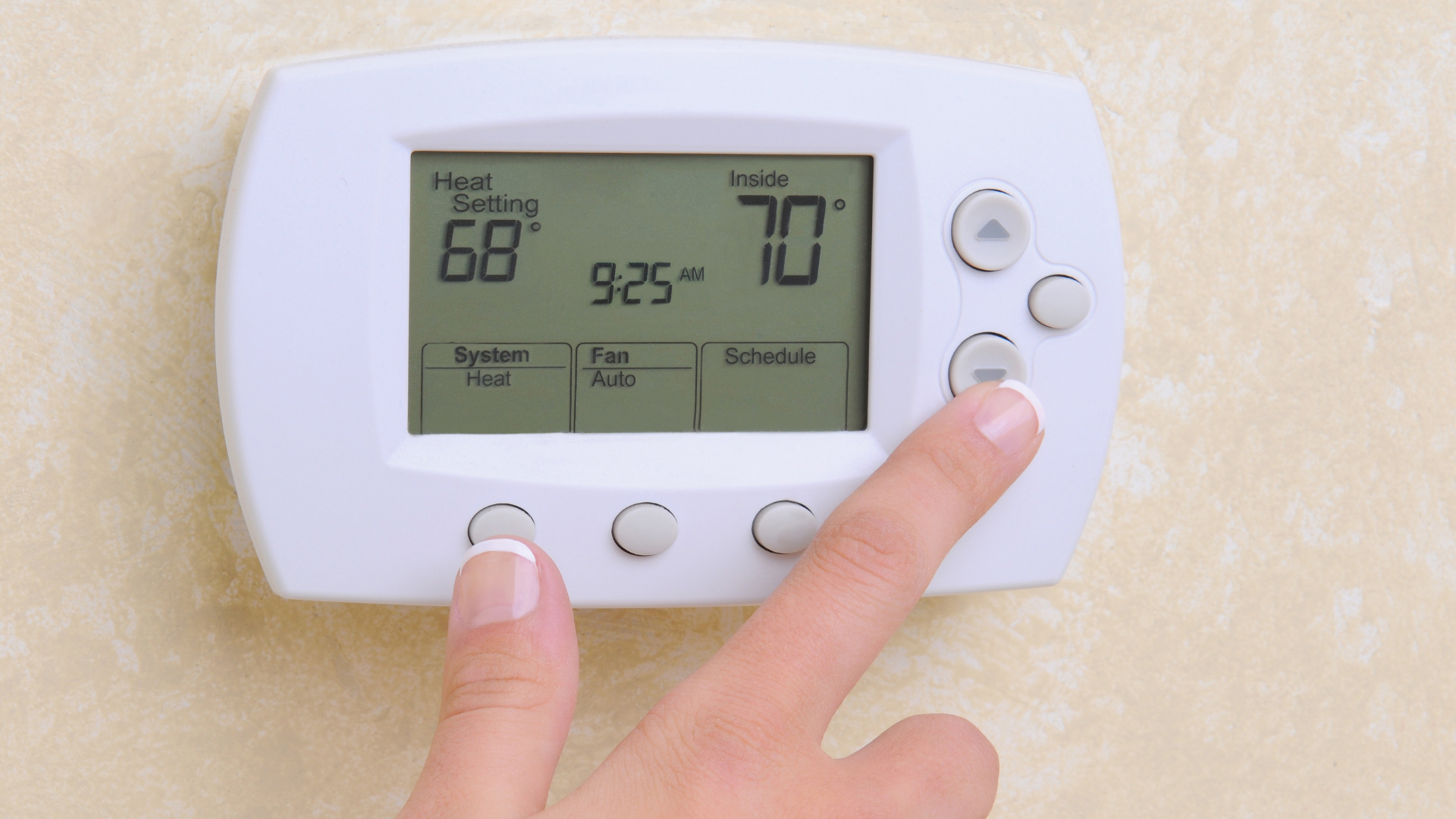
As winter weather strikes and temperatures begin to plunge, you will likely see an increase in your natural gas bills. The cause of this larger bill goes beyond turning up your thermostat. Below freezing temperatures spike demand for natural gas, in turn, spiking prices. With supply chain issues still lingering from the COVID-19 pandemic, price increases are intensified this winter season.
Rising Prices
Natural gas prices set a single-day record in response to a winter storm on January 27th at $6.37/MMBtu. This was approximately a 46% increase from the previous day. While prices did fall back below $5.00/MMBtu the following day, this jump is reflective of the current state of the market. At the end of January, U.S. natural gas storage reached a deficit to the five-year average for the first time since 2019. Insufficient supplies combined with cold weather production challenges are making it more difficult to meet consumer needs.
Production Freeze-Offs
In early February, a large-scale winter storm hit the central, eastern, and southern regions of the United States. While states in the north and eastern regions have the infrastructure to continue gas production in colder temperatures, gas-producing states in the central and southern regions, such as Texas, Oklahoma, Colorado, and New Mexico, faced production freeze-offs. Freeze-offs occur when water freezes in the raw natural gas stream, either at the wellhead or in natural gas gathering lines. Gas production saw the largest decline this winter from freeze-offs on February 3rd, with estimates showing a 12% drop from the previous week to 12.2 Bcf/d.
Future Prices
As temperatures begin to rise above freezing in Texas and the southeast, we can expect to see production pick up once again. Earlier this year on January 2nd, production dipped due to production freeze-offs. By January 13th, production was back up to pre-freeze levels. While the winter storm in February was more severe, production should continue to ramp up in the coming weeks.
As winter weather eases and natural gas production levels off, the gap between supply and consumer demand will begin to close, likely settling prices. In the meantime, you can take action to help keep your natural gas bill as low as possible with a few simple steps.
What you can do
The key to combating high natural gas prices is energy conservation. Here are a few steps you can take to conserve natural gas in your home or office:
- Layer up and lower the thermostat. Lowering your thermostat just a few degrees can make a significant impact on your gas bill.
- Check for potential energy leaks in your windows and doors. If you experience cold drafts in the winter and warm spots in the summer, this could be a sign of a problem. With weather and time, caulking can wear down, so it is important to periodically check for leaks.
- Take a look at your hot water heater. Setting your water heater to around 120 degrees F can help reduce your bill. It is also important to lower your hot water usage where you can. This includes washing clothes in cold water and only running hot water when you are rinsing dishes.
- Keep gas appliances off when they are not in use. Turn off burners on gas stoves when they are no longer needed and never use a gas stove to heat a kitchen.
Looking for more ways to save on your energy bills? Brilliant Source Energy is here to help you save money and grow your bottom line. Contact us today!
"*" indicates required fields