
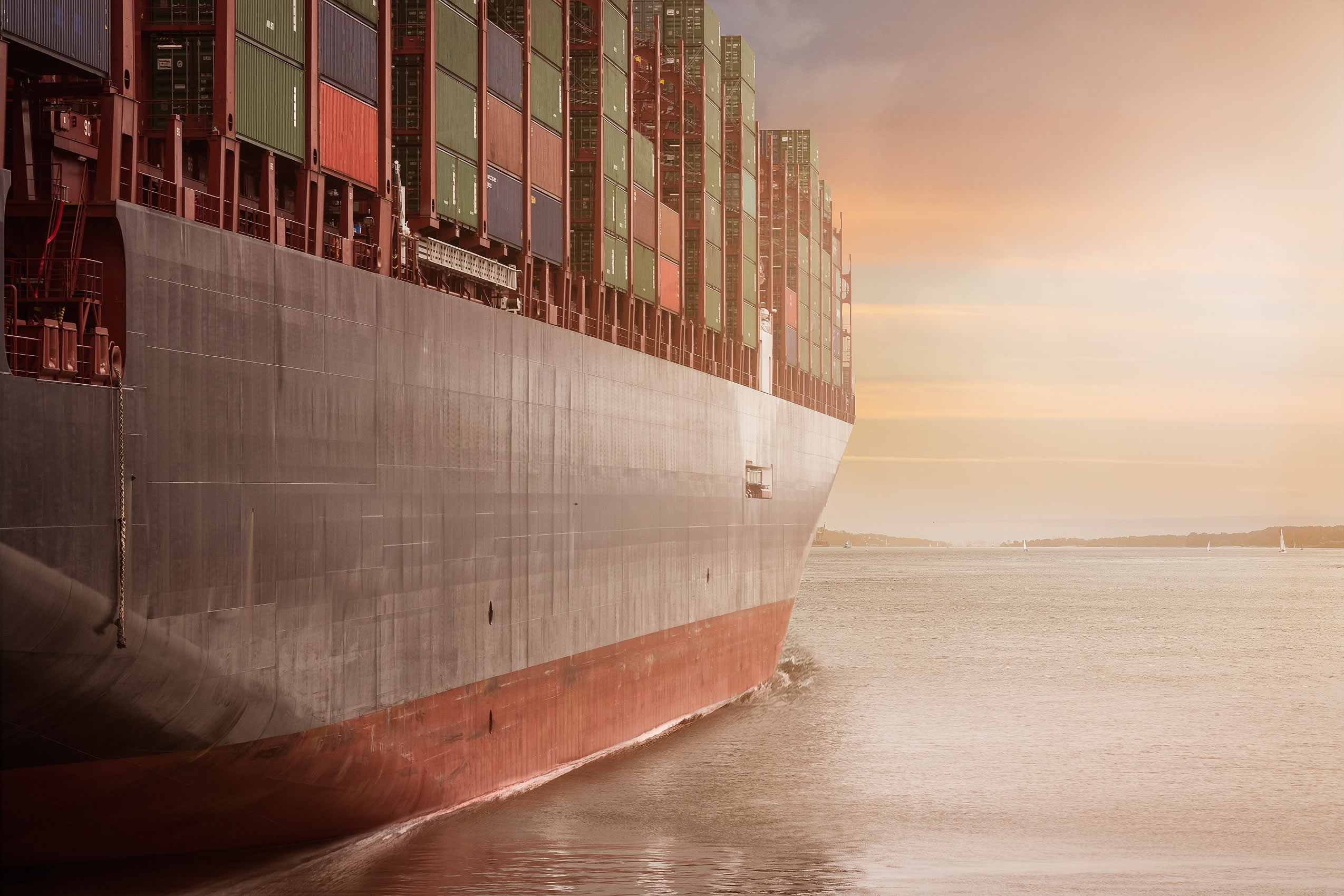
The war in Ukraine is leaving a lasting impact around the world. Countries in Europe are feeling that impact on their energy bill, as Russia halted their natural gas supplies. Fortunately, over the past year, the United States has helped these countries make up much of their loss. But, will this increase in LNG exports make the US market more susceptible to global market volatility? We’re here to break down the reasons behind the increase in international LNG demand, what impact U.S. LNG exports have on domestic pricing, and how you can protect your bottom line from future price spikes.
International Demand
When the war in Ukraine began at the start of 2022, many countries placed economic sanctions on Russia. In response, Russia indefinitely stopped all exports of natural gas to Europe through the Nord Stream 1 pipeline. This resulted in more than a 54% drop in shipments, sending the region into an energy crisis. To help provide relief, the United States increased shipments to Europe. In the first 11 months of 2022, US exports to Europe rose by more than 137% from the same timeframe in 2021. The United States is now supplying more than half of all of Europe’s LNG imports. Signs are showing that this level of U.S. LNG exports to Europe will continue through 2023.
The Future of U.S. LNG Exports
With supplies from Russia still at a halt, U.S. LNG exports are not expected to slow down in the near future. The United States has now become the region’s choice supplier for LNG, as our exporters offer several advantages over those in other countries, such as Qatar and Australia. First, the U.S. has greater availability of LNG for spot market purchases. This means that rather than having a long-term contract, countries can purchase and receive LNG in a much shorter time frame.
The United States also provides an advantage in terms of freight costs. U.S. LNG exporters are within closer proximity to the largest gas consumers in Europe than Qatar and Australia. These two factors have led the United States to become one of the largest suppliers of LNG globally. Now, U.S. exporters are on a trajectory for 2023 that will allow them to exceed their $35 billion record-breaking revenue in 2022.
Impact on Pricing
The big question now is: how will these exports impact U.S. energy prices? As the U.S. continues to ramp up exports, the country will play a larger role in the global market. This may also make the U.S. energy market more prone to volatility in the global market. The Federal Energy Regulatory Commission listed the “continued growth of LNG exports” as one key factor for higher gas prices for U.S. consumers in their winter reliability report. The Industrial Energy Consumers of America have also raised concerns about the impact of LNG exports on domestic energy prices, writing a letter to the House of Representatives and Senate asking them to address increased costs for US consumers due to exports. With a larger amount of LNG supplies being exported around the world, the supply for U.S. consumers is tightening. Fortunately, there are ways to protect yourself from market volatility.
Custom Quotes
As LNG exports increase the possibility of rising energy prices, it is important to protect your bottom line. Brilliant Source Energy can help you identify the lowest rate and lock it in by providing a custom quote. This will help ensure your energy costs remain stable, no matter the current state of the energy market.
"*" indicates required fields