Achieving carbon neutrality is increasingly important for businesses worldwide. While the journey to sustainability can involve complex changes, Emission-Free Energy Certificates (EFECs) offer an effective, accessible solution that provides immediate benefits without operational disruptions. EFECs make it easy for businesses to offset their carbon footprint and support the production of clean energy, all while maintaining affordability and reliability.
Let’s dive into the top benefits of EFECs and why they’re a smart choice for companies committed to making an environmental impact.
- Offset Carbon Emissions from Natural Gas
EFECs are unique in their flexibility. They’re not only applicable to electric power but can also offset emissions from natural gas usage. For businesses that rely on multiple energy sources, this makes EFECs an ideal option for achieving comprehensive carbon offsetting across operations. - Support Reliable, Emission-Free Energy Generation
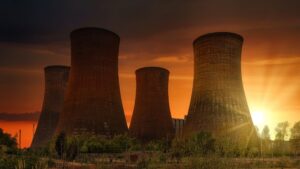
One of the challenges with renewable energy sources like wind and solar is their reliance on weather, which can lead to fluctuations in energy availability. EFECs, on the other hand, support emission-free sources like nuclear energy that provide consistent, 24/7 power. This reliable energy generation ensures that businesses can continuously meet their sustainability goals without interruptions. - Cost-Effective Carbon Neutrality
Compared to other carbon offset solutions, EFECs are a cost-effective way to support a clean energy future. Renewable Energy Certificates (RECs), which represent renewable energy from sources like wind and solar, often come with higher costs due to the technological infrastructure needed. EFECs provide a more affordable path to carbon neutrality, making them accessible for companies with varying budgets. - Meet ESG Standards and Sustainability Goals
Environmental, Social, and Governance (ESG) standards are rapidly becoming a focal point for businesses in many industries. Companies are expected to demonstrate commitment to sustainability and social responsibility. EFECs offer a straightforward way to align with these standards by offsetting emissions and supporting clean energy production—both of which contribute to a company’s ESG profile and make a positive impact on environmental goals. - Promote a Cleaner Energy Future
When businesses invest in EFECs, they support nuclear power and other emission-free sources that play a critical role in the clean energy landscape. By generating demand for these sources, businesses help promote the development and maintenance of clean power plants, contributing to a larger movement toward a sustainable energy future.
Conclusion
Emission-Free Energy Certificates (EFECs) provide an affordable, reliable, and flexible way for businesses to offset their carbon emissions and reach sustainability goals. With EFECs, companies can take measurable steps toward carbon neutrality, improve their ESG ratings, and support a cleaner energy future. Whether you’re a small business or a large enterprise, EFECs offer significant benefits that align with the priorities of today’s eco-conscious business landscape.
Ready to harness the benefits of EFECs for your business? [Discover how EFECs can help you reach carbon neutrality](Landing Page Link) and make a lasting impact on the environment.