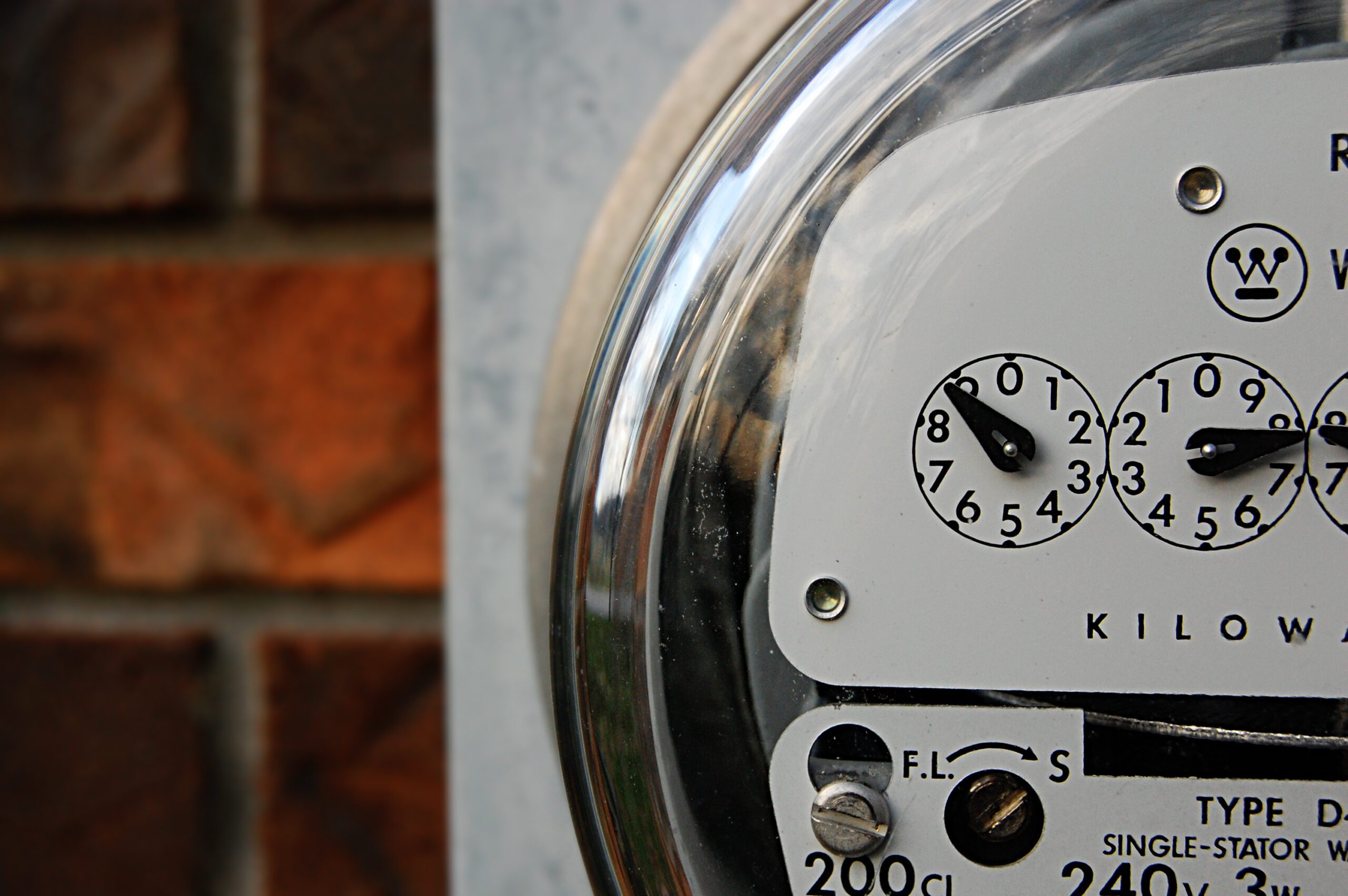
If you work for a church, school or in the oil & gas industry, there is a good chance that you may have electrical meter errors. The fact is electric meters have 33 components that can be verified for overcharges and errors could be tied to a lack of quality checks with the metering set-up process. Meter error issues are indeed a major concern throughout the electric power industry and it’s important for you to be aware of these errors to avoid paying these overages.
So why do these errors exist?
Although, smart grid technology is on the rise, the industry as a whole is still trending behind with implementing corrective measures. Often, there simply are not enough experienced, professional metering and data installers to complete the metering installation correctly or the experienced technicians are overburdened. As a result, errors can happen in the field during the install or during routine meter replacements and errors can go undetected for a long time.
How are these errors missed during internal audits?
The data on a four-year spreadsheet may reflect a company’s normal workflow, with its usage peaks and valleys on the bell curve. The accounting department may have done an excellent job of trying to detect over-billing, or even unusual usage, but the problem is, erroneous data moves the same as good data in metering. Typically, benchmarking of other known factors, such as exact production, reveal the undetected errors. However, it’s seldom that any two accounts trend exactly along the same usage profile.
So, what can we do to detect and eliminate metering errors?
Contract an expert, experienced in electric utilities, to conduct a detailed audit. Ensure that the auditor comes to your site to do a physical read of the meter as well as an audit of the utility bills. An experienced auditor will be able to pick up on any discrepancies and work with the utility to investigate any issues such as double billings or mischarges.
For more information about detecting and correcting metering errors, contact us at www.brilliantsourceenergy.com.