When the cold weather comes in, it’s time to turn the thermostat up. But, what will that mean for your energy prices? Those who live and work in colder climates are no strangers to increased utility costs in the winter but with the current natural gas market, you may be unsure of how this winter will impact your bottom line. We’re here to walk you through the outlook for the winter weather, the current state of the energy market, and how you can find greater budget certainty going into the colder months.
Winter Weather
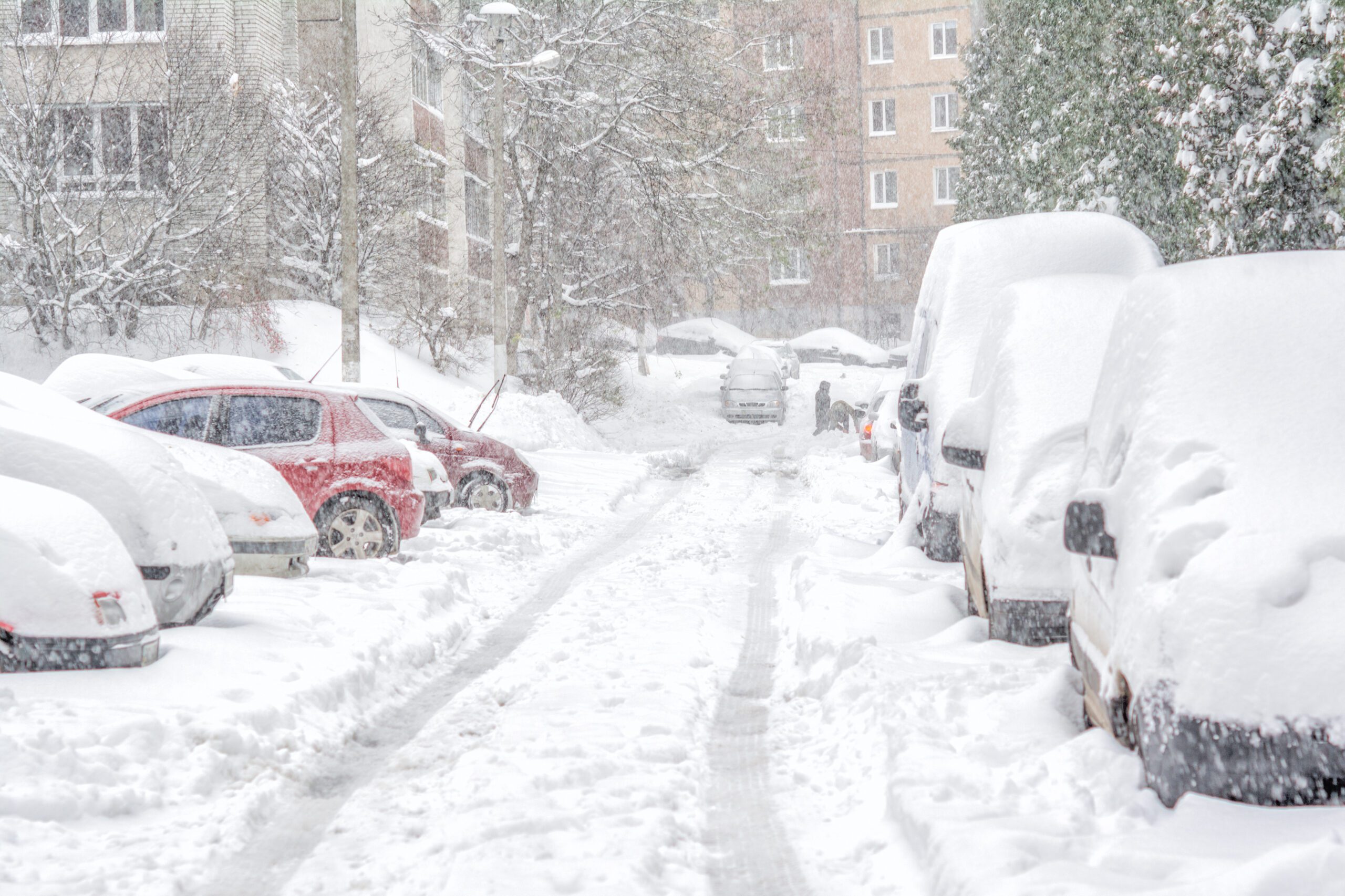
This summer was warmer than usual. Does that mean this year’s winter will be as well? The answer for much of the United States is yes, but there are a few exceptions. La Niña is returning for the third consecutive winter. This weather pattern drives temperatures above average for the Southwest, Gulf of Mexico, and Eastern Seaboard regions. The southern half of the United States will also experience dryer-than-normal conditions. However, the Pacific Northwest, Great Lakes, and Alaska panhandle regions are predicted to be faced with below-average temperatures and above-average precipitation. With these regions set to experience more severe weather conditions in the upcoming months, they may also feel the effects of high natural gas prices more significantly.
The Energy Market
The battle between natural gas supply and demand continues. In 2022, natural gas demand was significantly higher than the five-year average. This is due, in part, to an increase in power burns. This past year’s severe weather, combined with constraints in the coal industry has led to an increased need to use Natural gas for power generation. While there has been an increase in supply throughout the year, it has been slower than expected and thus, barely able to keep up with the increasing demand.
With that being said, prices are likely to remain high. The upcoming winter prices are well above those from last year and energy prices will continue to increase well into the year. Ohio, for example, is expected to see energy prices spike in June 2023. Continued supply challenges are contributing to these price increases, but there is another key factor to consider: natural gas exports.
LNG Exports
There is a large demand abroad for natural gas. While we are seeing higher prices in the United States, international prices have been around 5 times the prices here. Because of this, US terminals are exporting liquified natural gas to other countries. This is alleviating supply issues in these nations, but it may be contributing to the price increases we are experiencing in the United States. Despite the current volatility in the US energy market, there are ways you can protect yourself from continued price spikes caused by supply issues.
Find Greater Budget Certainty
Although price spikes are anticipated to occur throughout the next year, there are still options to stabilize your utility costs. Brilliant Source Energy can help you lock in lower rates on electricity and gas by getting you a custom quote.
Ready to find greater budget certainty? Contact us today for a custom quote!
"*" indicates required fields