Water Quality Matters: What You Need to Know and How to Take Action
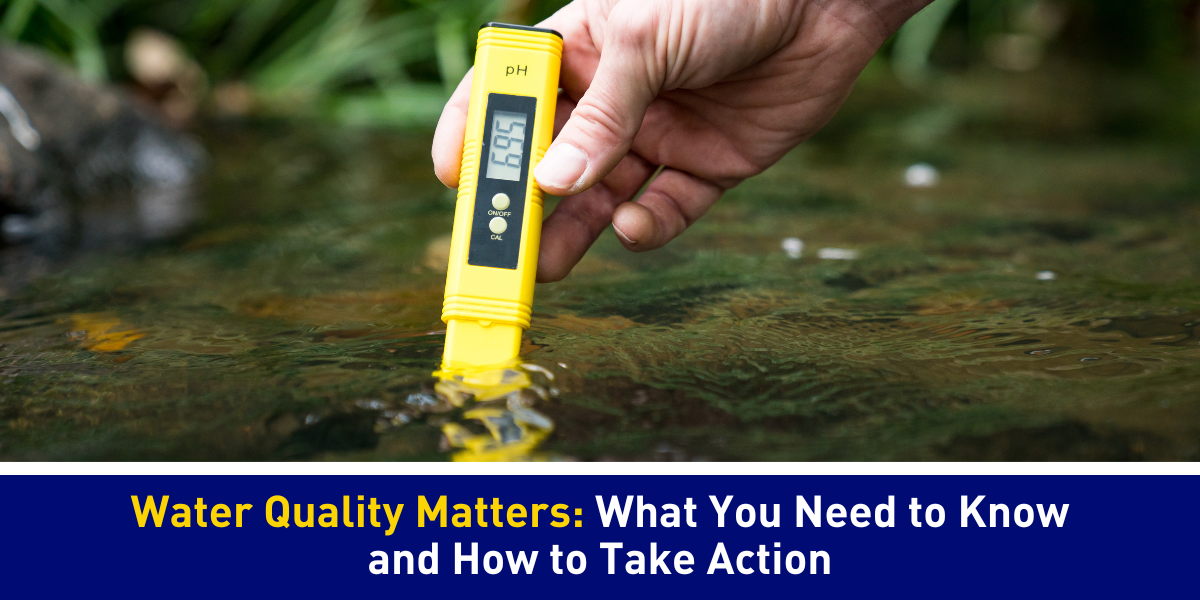
Every August, we recognize National Water Quality Month—a time to reflect on the importance of Earth’s most precious resource and how we can protect it. This recognition comes at a fitting moment: August is often the hottest month in the Northern Hemisphere, when demand for water peaks due to irrigation, cooling, and recreation. Both households and industries rely on shared water supplies, creating a delicate balance between usage, quality, and regulation.
Water at Home
In the U.S., the average family of four uses hundreds of gallons of water each day for showers, toilets, laundry, dishwashing, and lawn care. While one household’s use may seem modest, when multiplied across millions of families, the total demand becomes significant, especially in regions where water is already scarce.
Simple changes can make a big difference:
- Take shorter showers.
- Turn off the tap while brushing your teeth.
- Run only full loads of laundry and dishes.
- Choose WaterSense-certified appliances and fixtures to reduce indoor water use.
- Outdoors, sweep driveways instead of hosing them down, water lawns deeply but less often, and plant native, drought-resistant species.
The Hidden Water Footprint
Much of the world’s water use is invisible, embedded in the goods and services we rely on every day:
- Manufacturing: Producing electronics, cars, textiles, and paper requires massive amounts of water. For instance, a single semiconductor chip can take thousands of gallons of ultra-pure water to produce, while making one pair of jeans may require over a thousand gallons.
- Energy Production: Thermoelectric power plants (coal, natural gas, nuclear) use vast quantities of water for cooling, making this sector one of the largest industrial consumers.
- Data Centers: Facilities powering cloud storage and AI can use millions of gallons per day just for cooling, comparable to the needs of small cities.
- Agriculture & Food: Irrigating thirsty crops like cotton and sugarcane, raising livestock, and processing food all carry heavy water demands. Wasting food also wastes the “virtual water” used to grow and transport it.
- Construction & Fuel: From mixing concrete to refining oil, water is essential at every stage.
Because of this hidden demand, industries are increasingly adopting water-saving technologies, recycling systems, and efficiency measures to cut consumption and costs while meeting environmental standards.
Industries such as manufacturing, healthcare, hospitality, and data centers are especially prone to common water and sewer billing errors due to their complex usage patterns. These errors can include faulty meters, rate misclassifications, incorrect sewer coefficients, and data entry mistakes that collectively cost businesses thousands of dollars each year.
At no cost to you, the experts at Brilliant Source Energy can identify these overcharges and help recover significant savings. This is money that goes straight to your bottom line.
At Brilliant Source, we’re always looking for innovative ways to help businesses manage water expenses more effectively. One solution that’s making a significant impact is the Flow Dynamics Smart Valve™. Whether you’re in manufacturing, hospitality, or any other industry, this technology could be a game-changer.
The Smart Valve™ optimizes water usage by adjusting to your facility’s specific needs. This not only reduces waste and improves system performance but also leads to significantly lower utility bills. And by using less water, you’re also doing your part to conserve vital natural resources.
Already installed in over 20,000 water systems, the Smart Valve™ has helped customers save an average of 20% annually on their water bills.
Safeguarding Water Quality
Water safety is equally important as supply. In the U.S., the Safe Drinking Water Act sets strict standards for public water systems, and utilities treat water to meet those requirements. Still, households and industries must do their part to prevent contamination.
At home, you can help by:
- Disposing of medications at take-back sites, not down the drain. Wastewater treatment plants are not designed to remove pharmaceuticals, so medications flushed down the drain or sink can pass through to rivers, lakes, and other waterways.
- Avoiding fertilizers with phosphorus. This excess nutrient fuels uncontrolled algal blooms, which deplete water of oxygen and harm or kill fish and other aquatic life. For most established lawns, phosphorus is unnecessary, and a soil test can determine if your soil actually needs it.
- Picking up pet waste. Pet waste contains pathogens like E. coli and parasites that can infect humans and other pets, and it pollutes waterways by introducing excessive bacteria, nutrients, and nitrates when washed into storm drains.
- Taking hazardous chemicals, like oil, paint, and antifreeze, to proper collection centers. These substances can poison soil and water, cause fires, or create respiratory issues if mishandled.
Industries face stricter oversight. The EPA regulates wastewater discharge through the National Pollutant Discharge Elimination System (NPDES), which sets limits for pollutants like heavy metals and chemicals. Many companies also invest in advanced treatment technologies (e.g., reverse osmosis, ultrafiltration) and water reuse programs to meet regulations, protect ecosystems, and support long-term operations.
Cooperation and Shared Responsibility
Because water sources are shared, competition can lead to legal and community disputes, especially in drought-prone areas. State water rights systems, whether riparian rights (tied to land) or prior appropriation (first in use, first in right), often determine access. Well-managed water markets and community partnerships, however, can help balance competing needs. States such as Ohio, Illinois, Indiana, Florida, and Texas offer water conservation grants to nonprofit organizations and private companies that deal with public wastewater systems. Funds can be used for planning, design, and construction of wastewater treatment facilities. Other uses include combined sewer overflow correction, stormwater infrastructure, and nonpoint source pollution control.
Collaboration between industries, local governments, and residents is essential for creating sustainable water management strategies that serve everyone.
The Bottom Line
Water is central to our daily lives, our economy, and our environment. Protecting both its quality and availability requires awareness, smart choices, and cooperation. Contact Brilliant Source today and get a free water bill audit and determine if The Smart Valve™ is a good fit for your facility. Whether by making small changes at home or adopting large-scale innovations in industry, we all play a role in ensuring clean, reliable water for future generations.